When patients arrive at appointments carrying misinformation and disinformation, doctors carry the cost. We call this narrative distortion, and new research from We. Communications and Sapio Research shows it's already changing how physicians treat patients.
We surveyed 500 physicians across Australia, Germany, India, the UK and the US. Eighty-eight percent say they've changed a treatment recommendation because of patient resistance rooted in misleading information, and 59% read a company's silence on these narratives as self-interest or complicity.
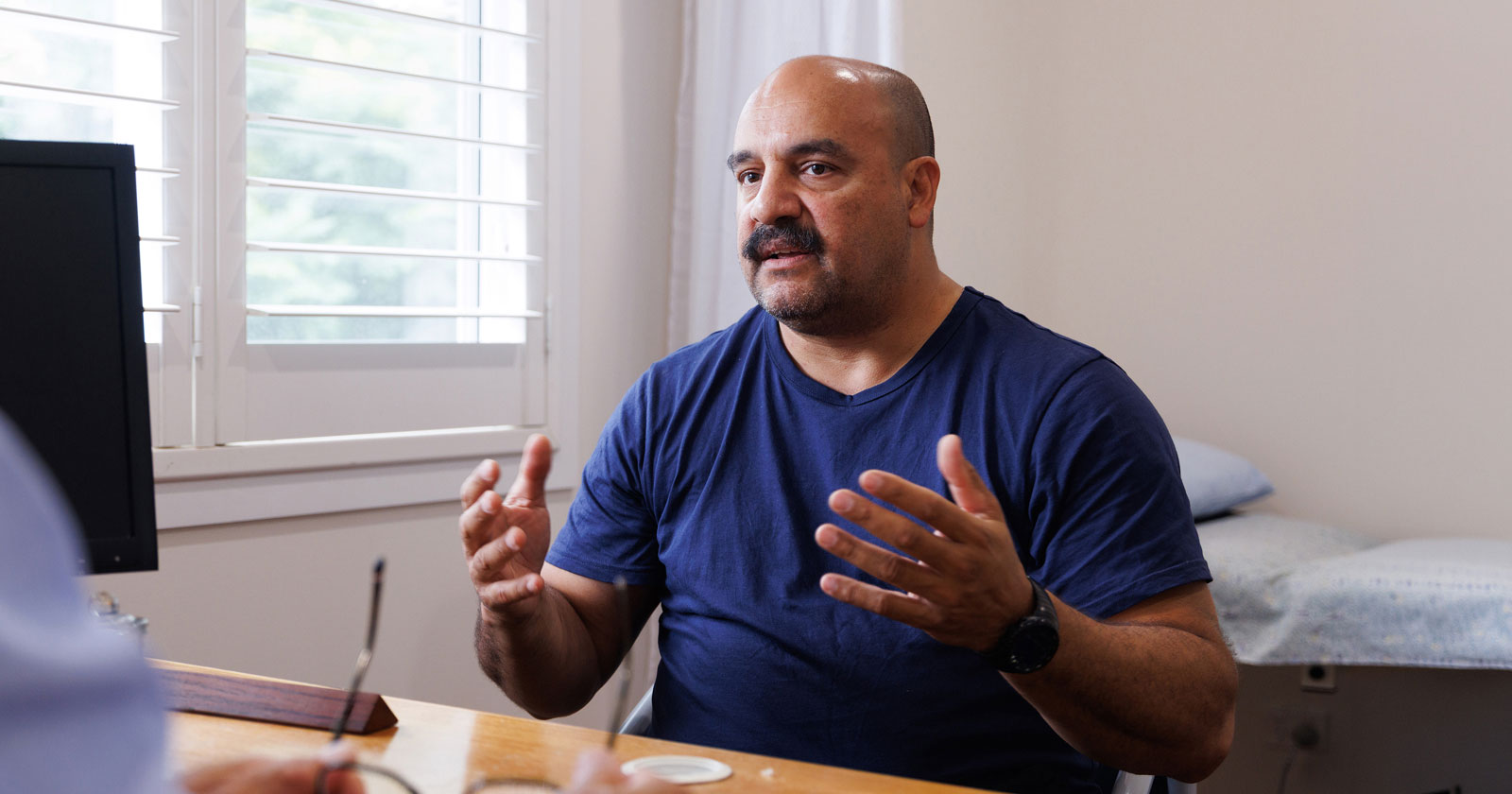
Misinformation Is Already Changing Treatment Decisions
88% of physicians have modified a treatment recommendation because of misinformation, part of a pattern where more than a third of patients arrive weekly needing correction.
Physicians Expect Action, Not Silence
95% say companies are responsible for addressing misleading narratives, but only 35% think they're doing it well.
Staying Quiet Is No Longer Safe
59% of physicians read corporate silence on misleading narratives as self-interest or complicity.
Reputation Now Shapes Prescribing Decisions
89% say corporate reputation influences prescribing, and 79% say failing to address harmful narratives would reduce it.
Silence Carries Risk
Physicians increasingly read a company's silence as self-interest or complicity.
Physicians Want Practical Support
Independent fact-checking resources and clear evidence summaries top physicians' requests for help.
Global Pattern, Local Execution
The pattern holds worldwide, but the right response differs by market.
Brands in Motion
New physician-survey research defines narrative distortion, the mix of misinformation and disinformation reshaping trust, reputation and prescribing decisions worldwide.
You should now have access to the report.